For clinic owners
Want this implemented for your practice — not just as a guide? Single-location clinic projects start at $800 — final investment confirmed after a 15-minute audit.
See Ketamine Clinic Web DesignQuick answer: Ketamine clinic SEO in 2026 is a two-part game: (1) build the right local intent architecture (service + city pages + internal links), and (2) upgrade the proof stack so clicks turn into consult requests. Ketamine is YMYL—if your site feels vague, salesy, or risky, you’ll lose the lead even if you rank.
This guide shows the practical structure.
1) The ketamine intent architecture that ranks
Core pages:
- Ketamine therapy pillar page (what you do + who you help + what to expect)
- “Pricing / financing” guidance page (ranges are okay)
- “Eligibility / screening” page (high-level, informational)
- “What to expect” page
- About + team (faces + credentials)
- Contact / booking
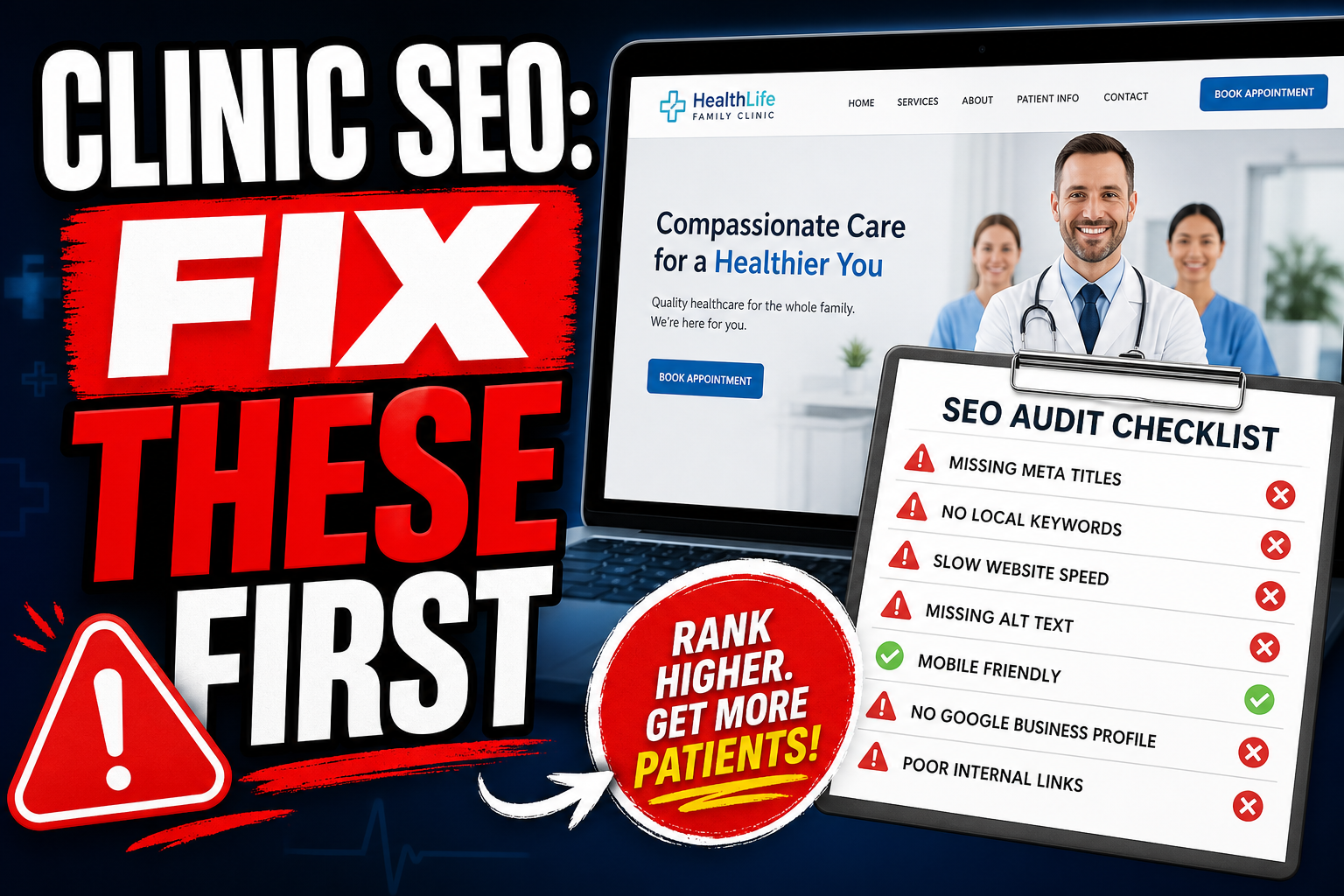
2) Local SEO: what to build (and what to avoid)
Build:
- city page for your primary market (and only expand when you have real service coverage)
- internal links from city page → ketamine pillar → booking CTA
Avoid:
- thin pages for dozens of cities you don’t truly serve
- keyword-stuffed copy that reduces trust
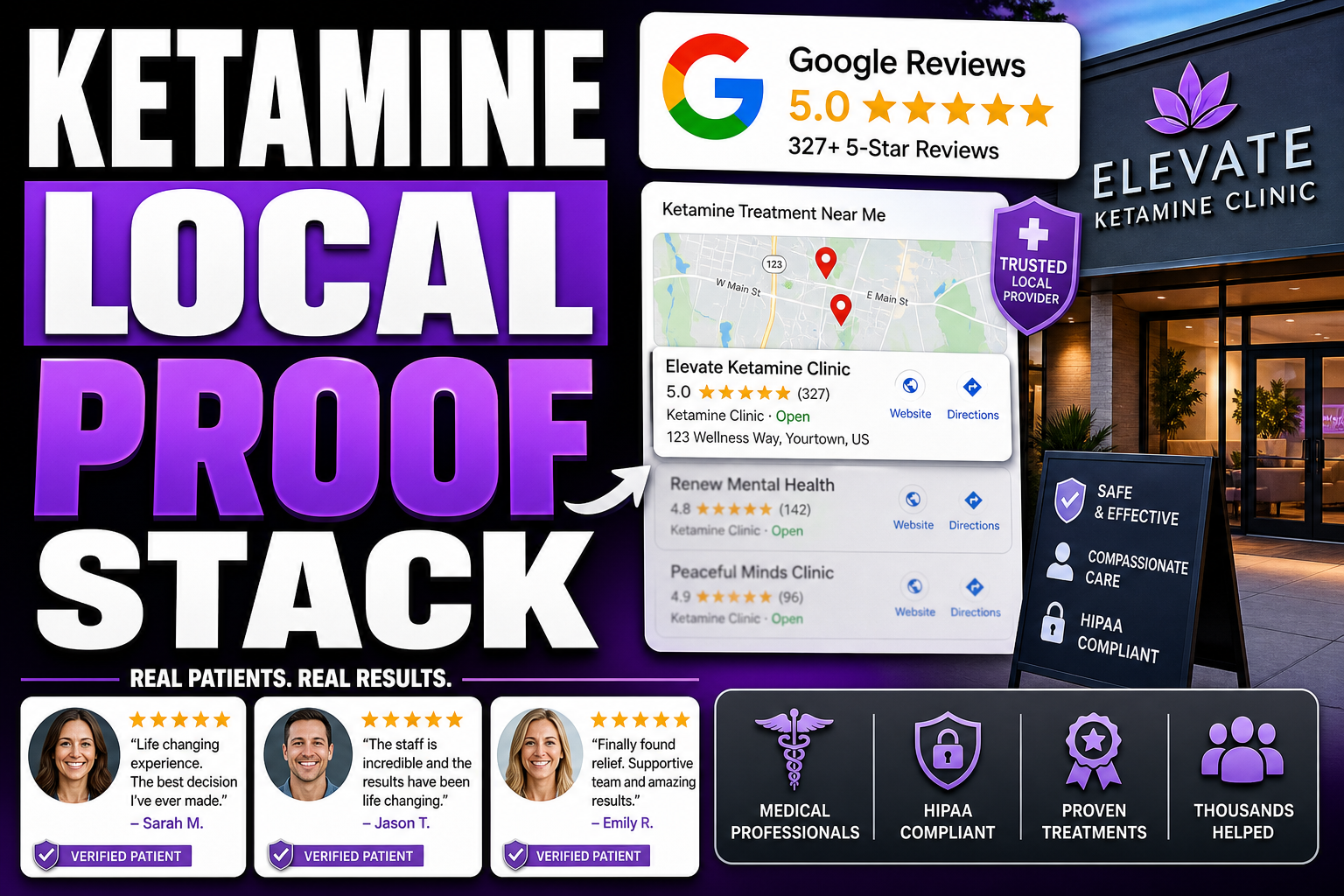
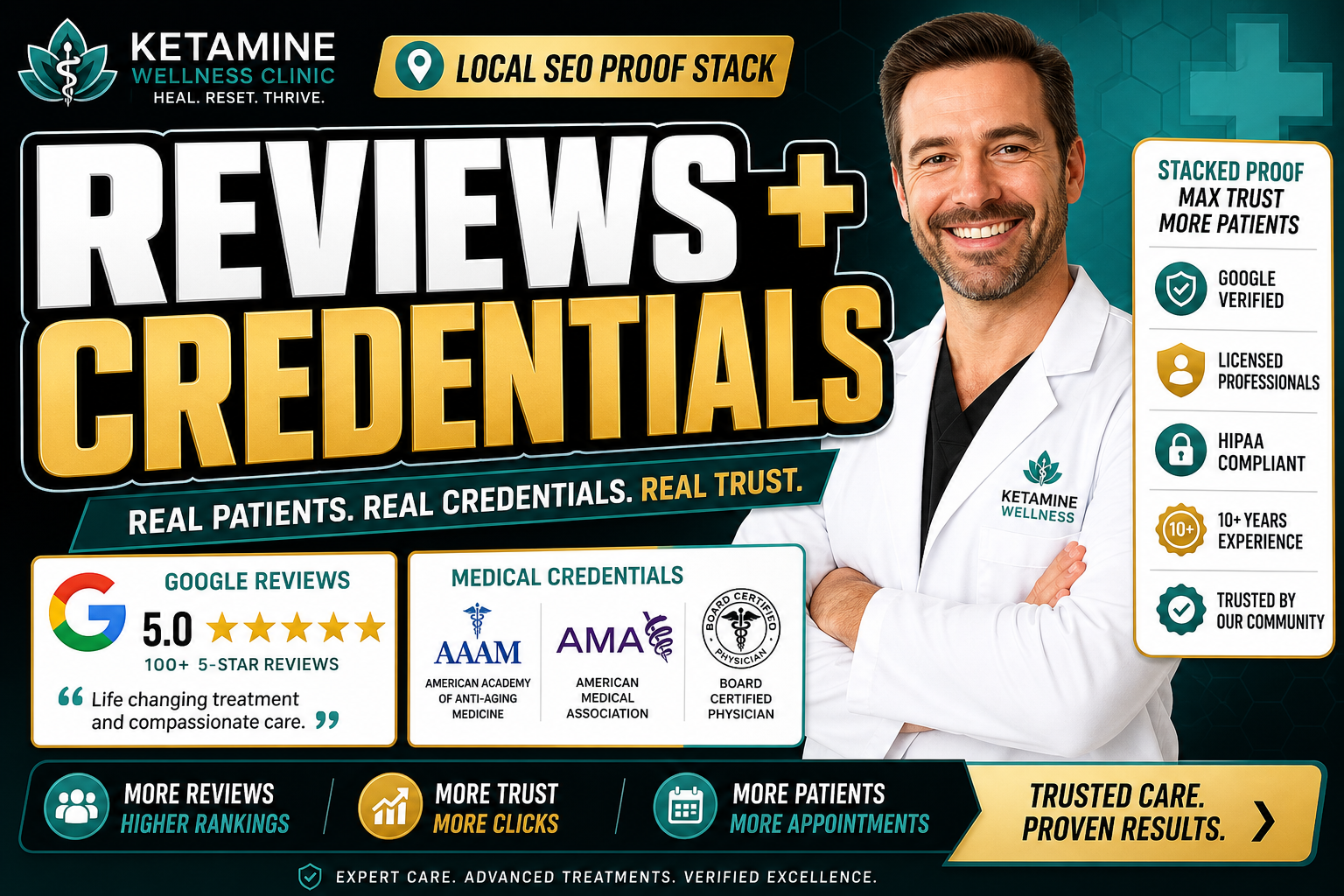
3) Proof stack (what actually converts on ketamine pages)
Place proof near the CTA:
- reviews/testimonials (conservative, honest framing)
- clinician credentials / medical director (when applicable)
- “process clarity” (what happens after booking)
- risk reversal (milestones, support, next steps)
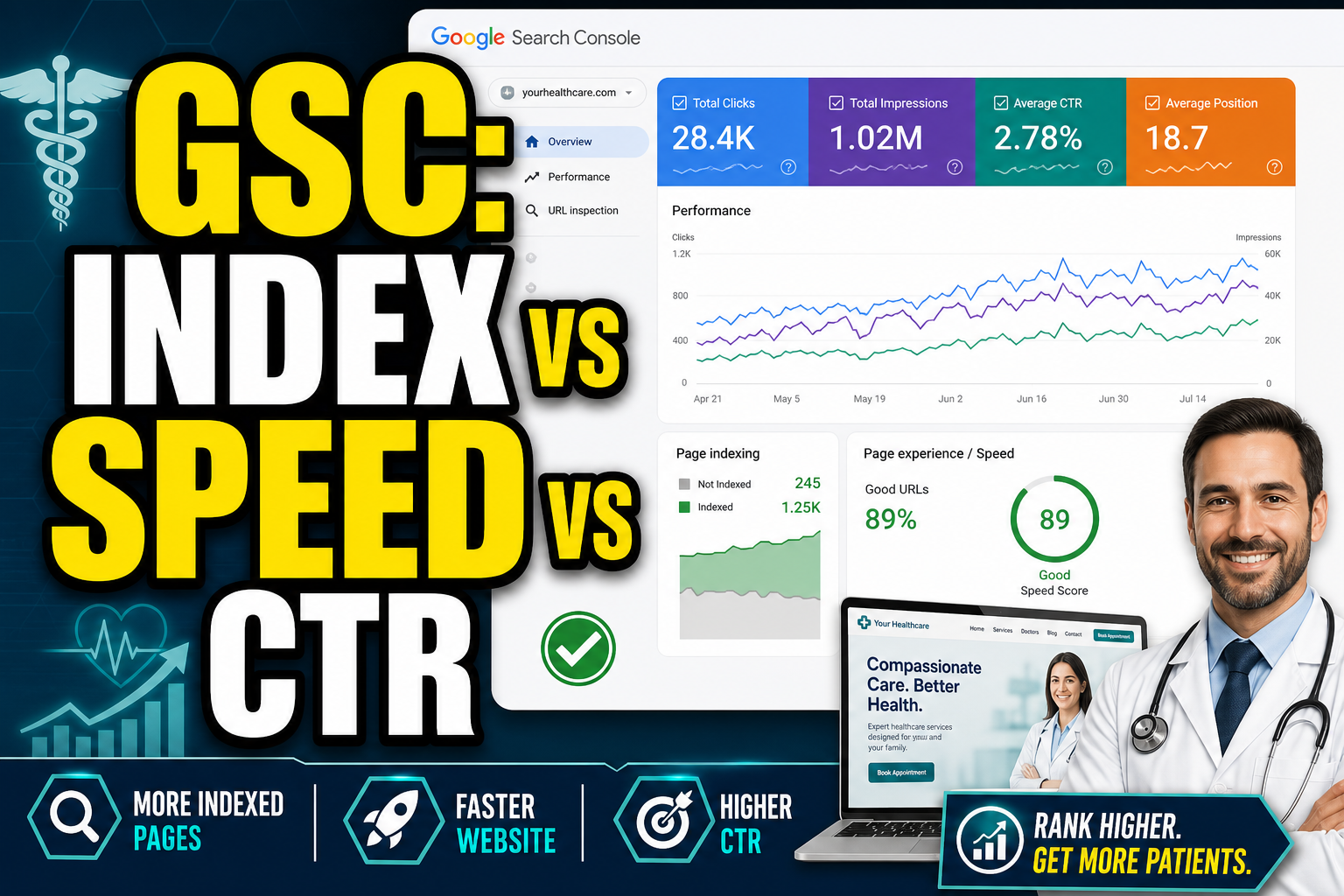
4) CTR and snippet upgrades (fast win)
If you have impressions but low clicks:
- rewrite titles/metas for clarity + specificity
- add answer-first blocks and strong FAQs
5) Internal linking rules (no cannibalization)
- supporting posts must link back to the money page as the hire-us path:
- SEO content should link to:
Supporting reads:
Want this shipped for your clinic?
Start here: Ketamine Clinic Web Design or book a free strategy call.
Minimum YMYL trust checklist (ketamine)
- Conservative language (no promises)
- Clear clinician identity (when applicable)
- Visible disclaimers (informational, not medical advice)
- “What happens next” process clarity
- Proof near CTAs
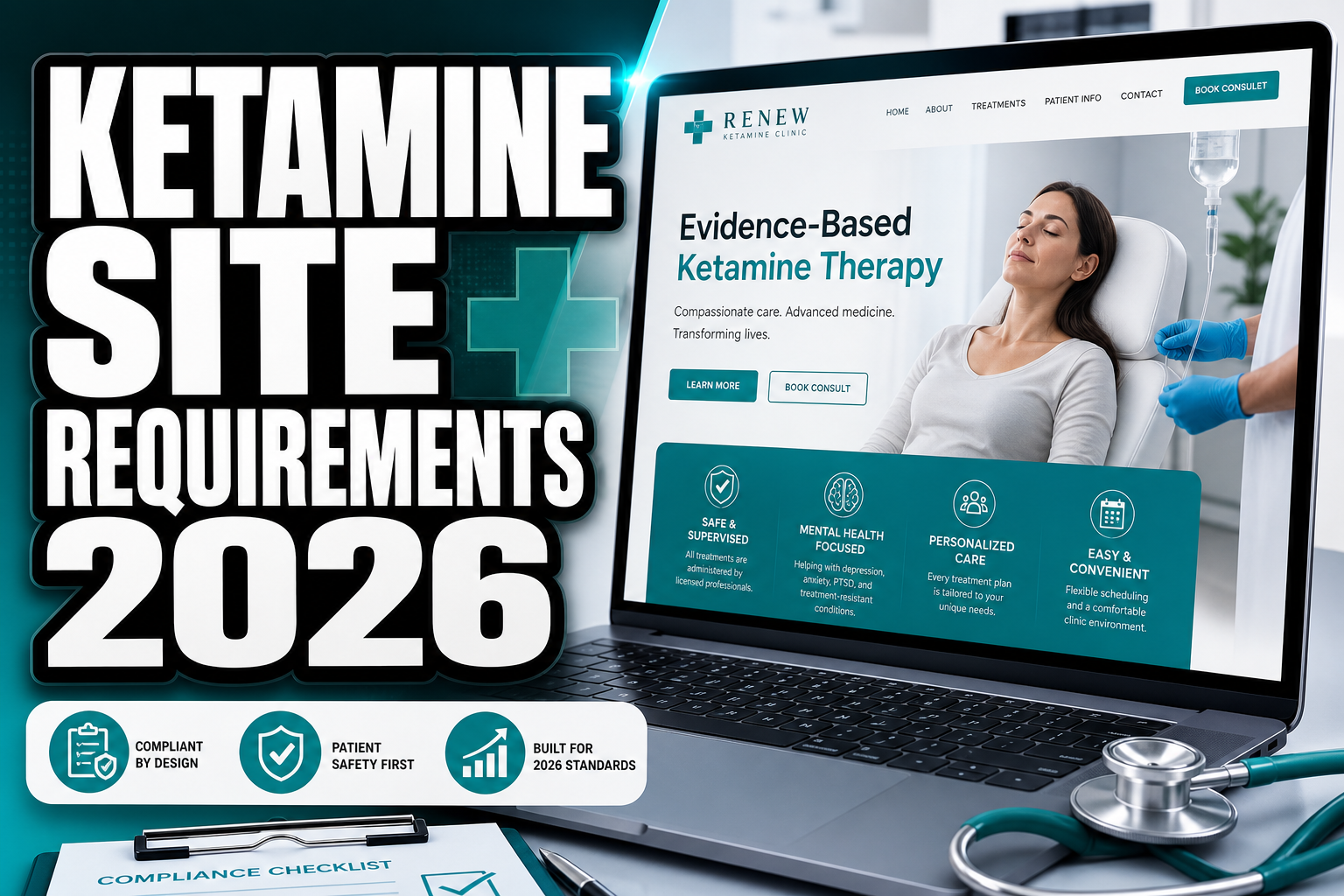
If you want the website version of this plan, start with: Ketamine clinic website requirements.
Frequently asked questions
It’s higher-trust (YMYL). You need stronger proof and conservative copy. Rankings alone won’t convert if visitors don’t feel safe.
Only if you truly serve those areas and can support the pages with real coverage and internal linking. Thin pages can hurt trust and performance.